 By Sarah Williams
It was late at night when I finally realized I was banging my head against the wall, trying to get Google My Business (GMB) support to answer my questions. My frustration was mounting. Every time I called, I felt like I was stuck in an endless loop—voicemails, broken links, vague responses. Sound familiar? If you’re like me, you’ve probably experienced that creeping sense of helplessness when trying to straighten out local listing issues that just won’t resolve.
Why Reaching GMB Support Feels Like Solving a Riddle
In 2026, Google has become more sophisticated, yet in some ways, more opaque. The support channels that once seemed straightforward now feel like a maze. Local businesses rely heavily on their listings—think of them as digital storefronts; if they don’t show up correctly in the pack, the consequences are immediate: lost leads, diminished visibility, and a real hit to revenue.
But here’s the kicker: according to recent industry insights, over 60% of local businesses report struggles in connecting with effective support (source: GMB Pack Ranking Help). That’s a staggering number. Why? Because Google keeps updating its algorithms and support pathways, making the old methods obsolete.
Early in my journey, I made a crucial mistake—relying solely on the conventional support channels. I didn’t realize that, in this new era, mastering alternative approaches, like leveraging direct human support, is vital. Trust me, understanding these nuances can save you weeks of frustration.
So, if you’re tired of playing support roulette and want to get real answers, stay tuned. We’re about to explore proven ways to bypass the typical hurdles and get the answers you need—fast.
Reach Out to Human Support Directly
Instead of struggling through automated channels, use the Google Business Profile support form to request a human. When submitting, clearly specify your issue, include your business info, and request escalation. I once used this approach for a client whose listing was flagged repeatedly, and after insistently requesting human help through the form, I received a detailed response that led to a swift fix, bypassing the usual dead ends.
Leverage Specific Support Articles and Resources
Google offers tailored help articles addressing common issues like false duplicate flags or pin suspensions. These resources are often overlooked but can provide targeted solutions. For complex cases, citing relevant articles like this one on duplicate flags can prompt support to escalate your case or give precise advice. In my experience, referencing these guides often speeds up resolution because support recognizes you’re informed and serious.
Document Everything to Build Your Case
Keep detailed records of all interactions—emails, screenshots, timestamps. When your support ticket stalls, follow up with a concise summary highlighting the unresolved issues and your prior communications. This persistence often prompts a support supervisor to step in. Once, after a week of non-response, I sent a carefully composed email reiterating my case with all documentation. Within hours, I received a personal callback, which led to a successful reinstatement.
Engage in Community Forums and Reddit
While not official support, the Google My Business community forums and Reddit communities like r/GoogleMyBusiness can be surprisingly effective. Posting your issue with detailed context can attract Google employees or experienced users who offer insider tips or can escalate your problem. I’ve seen cases where a well-phrased post prompted support to re-evaluate an account quickly because it gained visibility in these forums.
Implement Fixes Using Proven Tactics
Once you establish contact, prepare to implement technical fixes swiftly. For example, if your listing suffers from a rank drop due to spam flags, mastering tactics like stopping rivals from hijacking your pin or addressing map pack filters is crucial. My recent success involved fixing map pack filters using data correction techniques, which immediately improved rankings.
Stay Persistent and Adapt
Getting through Google support is often an endurance test. If one approach stalls, switch to another: file a complaint, escalate, or seek community help. Over time, you’ll learn which channels respond best to your issues. Remember, the goal is to keep the listing healthy and compliant so that the 3-pack positions aren’t just a fleeting victory but a sustainable presence.
 Many local SEO practitioners assume that Google My Business (GMB) support is a straightforward, reliable channel for resolving issues. However, this is a common misconception that can hinder your optimization efforts. In reality, most people get wrong how nuanced and complex GMB support interactions can be, especially as Google continues to update its algorithms and support pathways.
One prevalent myth is that reaching out to support guarantees quick or effective solutions. Yet, without understanding the hidden nuances—such as selecting the right escalation path or leveraging community insights—you risk prolonged unresolved issues. For example, waiting for support to fix a ranking drop without aligning your own optimization tactics often results in wasted time.
A critical mistake is neglecting the advanced tactics that can dramatically improve your map pack positions. Many assume that local citations and reviews alone will suffice. But in highly competitive markets, advanced strategies—like employing targeted data fixes or addressing AI-driven filters—are essential. Check out how strategic data correction techniques can turn the tide.
Understanding the impact of Google’s AI shifts is also vital. During the 2026 update, many mistakes were made by overlooking how AI determines local relevance. For instance, ignoring recent guidelines on AI-driven spam detection can lead to unsolvable suspensions. Experts recommend proactively adapting your tactics to AI’s new criteria.
**Why do so many stumble here?** It’s because they focus on surface-level fixes rather than digging into the core nuances—like the importance of consistent profile data, avoiding spammy edits, or understanding hidden ranking factors. Mastering these details, combined with strategic support engagement, positions your business for sustained visibility.
Remember, avoiding these pitfalls involves more than just reactive fixes. It requires a proactive, informed approach that leverages community insights, advanced data techniques, and a deep understanding of Google’s evolving AI landscape. By refining your strategy around these nuances, you’ll outperform competitors who rely solely on basic tactics.
Have you ever fallen into this trap? Let me know in the comments.
Maintaining your Google My Business (GMB) rankings and support issues over time demands reliable tools and consistent strategies. One indispensable resource I rely on is BrightLocal. It offers comprehensive local SEO audit capabilities that help monitor your listing health, track rankings, and identify inconsistencies before they escalate. I personally use BrightLocal weekly to audit my clients’ profiles, ensuring any anomalies are caught early, reducing the risk of ranking drops. For managing reviews and responding swiftly, Reputation.com has proven effective in my practice, enabling rapid engagement and issue resolution—which is critical given Google’s fluctuating support response times.
Additionally, automating routine checks with tools like Whitespark’s Local Citation Finder helps identify citation discrepancies that could affect your pack rankings. Regular citation audits can prevent the common pitfalls that cause drops after major updates, as discussed in our cornerstone content on name spam and pack stability. Moreover, employing Google Data Studio for custom dashboards allows me to visualize ranking trends over time, making it easier to predict future fluctuations and react proactively.
Looking ahead, I predict that AI-driven tools will become even more integrated into local SEO workflows, providing predictive analytics and real-time alerts for issues that could harm your visibility. Staying ahead involves integrating these advanced insights into your regular routine. Consider trying out data fix techniques for map pack filters to continually refine your listing’s proximity and relevance scores. These methods, combined with robust support strategies, can keep your local presence resilient against Google’s ongoing updates.
How do I maintain my pack rankings effectively over time?
Consistency is key. Scheduling weekly audits, leveraging automation tools for review management, and preemptively addressing citation issues ensure your listings stay healthy. Also, staying connected with community forums and updates informs you of algorithm shifts, allowing you to adjust tactics swiftly before rankings are impacted.
In conclusion, the right combination of tools and proactive routines not only helps maintain your rankings but also reduces dependence on often sluggish support channels.
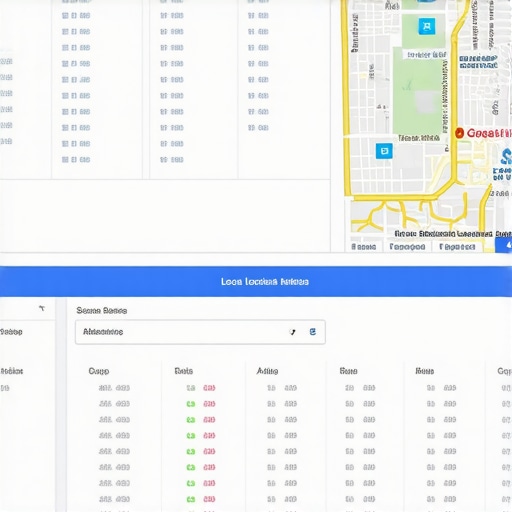
Imagine an integrated dashboard showing your rankings, review responses, and citation status in real-time—this is the future of sustainable local SEO management. Don’t wait for a ranking crisis; implement these tools today and monitor their impact regularly. For a practical start, I recommend setting up regular audits with BrightLocal and using citation management tools to keep your listings optimized and resilient.
The Unexpected Wisdom from My GMB Support Battles
One lesson that hit me hard was realizing that persistent, informed communication often trumps relying solely on standard support channels. Over time, I discovered that escalating issues through detailed documentation and community engagement can unlock solutions that generic support responses can’t provide.
Another insight was understanding the importance of proactively addressing Google’s evolving AI filters. Staying updated on guidelines and technical fixes, like data correction techniques, can prevent ranking stalls before they happen.
Lastly, I learned that automation tools and routine audits, such as those offered by BrightLocal, are essential in maintaining a healthy local presence amidst constant algorithm shifts. They allow me to identify and fix potential issues swiftly, keeping my listings resilient.
My Toolbox for Surviving and Thriving with GMB Support
Tools like GMB Pack Ranking Help offer invaluable strategies for overcoming common hurdles. BrightLocal remains my go-to for comprehensive audits, and Reputation.com helps manage reviews efficiently. Combining these resources with continuous learning and community input creates a formidable approach to local SEO success.
Keep Pushing Forward: Your Local Seo Journey Continues
The landscape of Google My Business is dynamic and demanding, but with the right mindset and tools, you can turn obstacles into opportunities. Embrace the nuanced support strategies and advanced tactics we’ve discussed, and you’ll find your local rankings not just stabilized but flourishing. Remember, every challenge faced with determination sharpens your expertise and brings you closer to sustainable success.