 By Alex Johnson
Ever poured hours into optimizing your Google My Business profile, only to watch competitors leap ahead in the local pack? I’ve been there. One moment, I thought I had it all figured out—only to realize I was missing a crucial piece that kept my listing from shining. That lightbulb moment changed everything for me, and I want to share it with you today.
Why Local SEO is More Critical Than Ever
In 2024, local SEO isn’t just a nice-to-have; it’s essential. With Google continually refining its algorithms, the local pack—the coveted top-three Google Map listings—can make or break your business’s visibility. According to Moz, nearly 80% of local searches convert into offline sales, making your position in the local pack a direct driver of revenue. If you’re not actively working to improve your rankings, you’re handing potential customers to your competitors on a silver platter.
But here’s the thing—getting to the top isn’t just about having a good-looking profile. It’s about strategic, consistent effort. I’ve made my fair share of mistakes early on, like neglecting to update my business info or ignoring reviews. Those oversights cost me rankings and trust. The good news? Once I understood the key factors that influence Google’s local algorithm, I started climbing the ranks steadily.
Are Local SEO Tips Overhyped or Actually Effective?
Honestly, I was skeptical at first. I wondered if all the advice out there was just noise. But I learned that implementing proven strategies—like optimizing your GMB profile, building local citations, and encouraging genuine reviews—really does move the needle. If you’re feeling overwhelmed or doubt whether these tactics work, trust me, I’ve been there. The difference is in taking consistent action and knowing which methods deliver real results. Want to see what works? Check out this comprehensive guide on top tips to boost your Google Local Pack.
So, are you tired of watching your competitors rank higher? Do you feel frustrated every time your business gets lost in the local crowd? If yes, you’re not alone. The good news is that with the right approach, you can change your local SEO game in 2024. Ready to dig into the proven strategies that will elevate your local pack position? Let’s get started and turn your local presence into a powerful asset for your business.
},
Optimize Your Google My Business Profile
Start by claiming and verifying your GMB listing if you haven’t already. Fill out every section thoroughly—business name, address, phone number, website, hours, and categories. Use consistent NAP information across all platforms to build trust with Google. Upload high-quality images that showcase your business, and keep your profile updated with fresh content regularly. This signals activity and relevance, which Google favors.
Build and Manage Local Citations
Local citations are mentions of your business on other websites like directories, review sites, and local blogs. Ensure your NAP info is accurate and consistent across all citations. Focus on reputable sources such as Yelp, Bing Places, and industry-specific directories. Regularly audit your citations to correct errors and remove duplicates. This improves your local authority, making it easier for Google to rank you higher.
Gather and Respond to Reviews
Encourage satisfied customers to leave positive reviews on your GMB profile. You can do this in person, via email, or through automated tools. Respond promptly and professionally to all reviews, especially negative ones. Show appreciation for positive feedback and address concerns openly. Reviews are a key ranking factor and influence customer decisions, so actively managing them boosts your visibility and trustworthiness.
Leverage Local Content and Keywords
Create content that targets local keywords relevant to your niche. Blog posts, landing pages, or event announcements should include city names and local phrases naturally. Incorporate keywords into your GMB posts and service descriptions. This signals to Google that your business is relevant for local searches, increasing your chances of appearing in the local pack.
Implement Technical SEO for Local Rankings
Ensure your website is mobile-friendly, loads quickly, and has clear local signals like your address and phone number on every page. Use schema markup for local businesses to give Google more context about your location and services. A well-optimized website complements your GMB efforts and reinforces your local relevance.
Engage with Local Support and Strategies
Consider investing in local SEO support from experts who specialize in Google Map Pack optimization. They can conduct audits, implement advanced tactics, and monitor your progress. Their proven strategies often include backlink building from local sources and technical enhancements that can give you an edge over competitors. Check out this resource for local support strategies.
Monitor and Adapt Your Strategy
Use tools like Google Search Console and GMB Insights to track your rankings and traffic. Regularly review your performance and adjust your tactics accordingly. Keep an eye on competitors and industry trends to stay ahead. Continuous optimization ensures your business maintains and improves its position in the local pack over time.
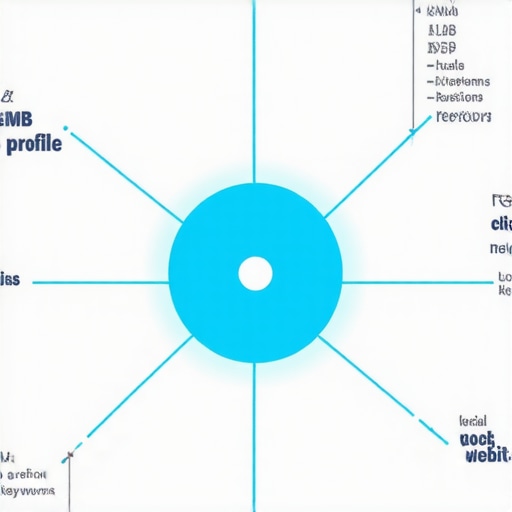
Illustration of local SEO elements like GMB profile, citations, reviews, and local keywords.
Many local businesses assume that simply optimizing their Google My Business (GMB) profile and building citations will guarantee top rankings. However, what most people overlook are the nuanced factors and common myths that can sabotage even well-meaning efforts. Let’s dig deeper into the sophisticated realities of local SEO, so you can avoid costly mistakes and truly master the game.
Are Reviews Really the Main Ranking Factor?
It’s a widespread belief that accumulating reviews is the golden ticket to higher rankings. While reviews do influence local pack positioning, relying solely on review volume can backfire. Google’s algorithm considers review quality, relevance, and recency more than just quantity. An influx of spammy or fake reviews can even harm your rankings, as Google’s AI becomes better at detecting inauthentic signals. Instead, focus on generating genuine, detailed reviews from satisfied customers, and actively respond to them. This engagement signals trustworthiness and relevance, which are crucial for sustained local success. For more insights on reviews, see this guide.
Beware of the NAP Consistency Trap
Consistency in your Name, Address, and Phone Number (NAP) across all platforms is vital. But many overlook that even minor discrepancies—like abbreviations, typos, or different formatting—can dilute your local authority. Google’s algorithm treats inconsistent citations as signs of duplicity or inaccuracy, which can hurt your rankings. The mistake? Many businesses focus on high citation volume without auditing for consistency. Regularly auditing your citations and correcting errors is a hidden but powerful way to bolster your local SEO. Learn more about citation management at this resource.
Why Overlooking Technical SEO Can Be a Costly Mistake
Many focus heavily on GMB and citations but neglect their website’s technical health. A slow, mobile-unfriendly website with poor schema markup signals to Google that your business may not be reliable or relevant. Advanced SEO factors like structured data, page speed, and mobile responsiveness are often underestimated. These elements can significantly impact your local rankings, especially as Google emphasizes user experience. Prioritize a thorough technical audit—think schema for local businesses, fast hosting, and responsive design. For actionable technical tactics, see this guide.
Have you ever fallen into this trap? Let me know in the comments. Mastering these nuanced factors can be the difference between just showing up and dominating your local market. Remember, local SEO isn’t a one-and-done task; it’s a continuous process of optimizing, auditing, and adapting to stay ahead in Google’s ever-evolving algorithm.
Maintaining your top rankings in the local Google Map Pack isn’t a set-it-and-forget-it task. It requires consistent effort, the right tools, and strategic adjustments over time. I’ve tested numerous solutions that help me stay ahead, and today I want to share my tried-and-true methods for keeping your local SEO game strong.
How do I keep my local rankings stable and improving?
First, invest in reliable tools that automate monitoring and provide actionable insights. For example, BrightLocal is my go-to for tracking local search rankings and citation consistency. Its intuitive dashboard consolidates data from multiple locations, making it easier to spot dips or inconsistencies early. I personally rely on BrightLocal because it saves me hours each week and offers precise alerts when my rankings fluctuate or citations become inconsistent.
Next, leverage Google’s own tools, such as Google Search Console and GMB Insights. These platforms give real-time data on how your profile performs, which keywords drive traffic, and where your local customers are coming from. I set up regular weekly reviews of these reports to identify trends and opportunities for further optimization.
Another essential tool is SEMrush Local SEO Toolkit. It helps identify new citation opportunities, analyze competitors’ backlinks, and audit your website’s technical health. I use SEMrush’s audit features to ensure my website remains fast, mobile-friendly, and structured with local schema markup. These technical factors will become even more critical as Google continues refining its local algorithm.
To streamline reviews and engagement, I recommend GatherUp, which automates review requests while ensuring authenticity. I’ve found that personalized, genuine reviews not only boost trust but also help maintain your rankings—Google values recency and relevance highly. Responding to reviews through this platform also keeps your profile active and signals ongoing engagement.
Looking ahead, I predict that AI-driven insights and automation will become even more central to local SEO management. Tools that can predict ranking fluctuations based on algorithm updates or local market changes will give early warning signs, allowing you to adapt proactively. Staying ahead means embracing these emerging technologies and integrating them into your routine.
What should you do now?
Start by choosing one of these tools—perhaps BrightLocal or SEMrush—and set up a routine for weekly monitoring and updates. Focus on maintaining citation consistency, engaging actively with reviews, and optimizing your website’s technical health. Remember, the goal isn’t just to reach the top but to stay there amid evolving Google algorithms.
Don’t wait for a ranking drop to take action. Use these tools to stay vigilant, adapt your strategies continuously, and keep your local presence thriving. For more detailed strategies to boost your local pack rankings over time, explore this comprehensive guide. Take control now, and watch your local visibility grow!
The Hardest Lesson I Learned About Local Rankings
Early on, I focused solely on boosting reviews and citations, believing these factors alone would guarantee top spots. I soon realized that Google’s algorithm is far more nuanced, prioritizing a combination of technical health, relevance, and user engagement. The lightbulb moment was understanding that neglecting website speed and schema markup could undo all my efforts, no matter how many reviews I accumulated.
3 Myths About Local SEO That Held Me Back
One of the biggest myths I encountered was that consistency in NAP information was enough. In truth, even minor discrepancies can dilute your local authority. Another false belief was that reviews are the main ranking factor—while important, they must be genuine and relevant. Lastly, I thought once I optimized my GMB profile, my work was done. Continuous monitoring and technical updates are essential to stay ahead.
What Experts Won’t Tell You About Local SEO
Most experts emphasize quick wins, but the real secret is ongoing adaptation. Advanced tools like BrightLocal and SEMrush aren’t just for tracking—they’re for predicting and preventing ranking drops. The true game-changer is technical SEO: responsive design, fast loading times, and structured data. Mastering these behind-the-scenes elements can push your business from visibility to dominance in the local pack.
My Essential Toolkit for Local SEO Success
Over the years, I’ve relied heavily on this guide to refine my strategies, especially for boosting my Google Local Pack position. BrightLocal has been indispensable for ranking and citation consistency, while SEMrush provides comprehensive website audits and backlink analysis. For managing reviews, GatherUp keeps my engagement genuine and effective. These tools have been pivotal in maintaining and growing my local presence.
Where to Go from Here
Your journey to local SEO mastery isn’t over—it’s just beginning. Embrace continuous learning, leverage the right tools, and stay adaptable to algorithm changes. Remember, the most successful local businesses evolve with the landscape, not against it. Explore this resource for further insights, and commit to ongoing optimization. Your local visibility and success depend on it.
Your Turn to Try
Are you ready to implement these advanced strategies and truly dominate your local market in 2024? What’s the one area in your local SEO that needs the most attention right now? Share your thoughts below—I’d love to hear about your journey and help you succeed.