 By Alex Johnson
Ever sat in front of your screen, fingers trembling, realizing your Google My Business (GMB) listing has vanished or become invisible on the map? Trust me, I’ve been there—but what hit me hardest was that sinking feeling of being ghosted by Google support when I needed answers the most. It’s a frustrating, almost helpless moment that many local businesses face in 2026. You spend hours, maybe days, trying to troubleshoot your map pack rankings or get that stubborn listing to reappear, only to hit dead ends and silence. This isn’t just annoying—it can directly impact your leads, revenue, and reputation.
Why It Feels Like Google Support Just Isn’t Listening Anymore
In the past, reaching out to Google support was straightforward. You’d submit a ticket, get some guidance, and usually see your issue resolved within days. But lately? That process feels more like shouting into a void. Support tickets go unanswered, or even worse, your issue gets dismissed without clear explanation. According to recent industry reports, over 60% of local SEO professionals have experienced delays or ignored support inquiries since late 2025, highlighting a concerning shift in Google’s support responsiveness (source).
Early in my journey, I made the mistake of relying solely on Google’s support channels without first understanding common pitfalls. That was a costly error. It’s like waiting for a rescue that might never come if you don’t have the right knowledge—you need solid, actionable strategies up your sleeve.
But here’s the truth: even if Google support sets you aside, there are proven, effective fixes you can implement yourself to reclaim your local SEO presence. Today, I’m going to share four powerful support fixes that actually work in 2026—methods tested and refined through real-world experience—and can help you break free from the ghosted support cycle. Ready to stop the frustration and regain control? Let’s dive in.
Jumpstart Your Support Fixes Now
Begin by assessing whether your Google support tickets are still open or stalled. An abandoned ticket is like a broken pipe; you need to turn off the water first before fixing the leak. Access your GMB support dashboard, review current tickets, and prioritize those related to visibility issues. Use the link here for troubleshooting stuck verifications, which often cause map ghosting.
Document Every Communication
Keep detailed records of all support interactions—timestamps, ticket numbers, responses received. It’s akin to keeping a repair manual; if the first fix doesn’t work, you’ll have a clear history to escalate or revisit. If support is unresponsive, leverage your records to escalate tickets or contact Google via social channels for faster attention.
Implement Proven Fixes from the Experts
While awaiting support, don’t stay idle. Take ownership and implement fixes that have proven effective. For example, if your listing is stuck post-verification, follow the step-by-step guide at this link. This method involves re-verifying your listing through alternate channels, which can often bypass support delays and restore visibility.
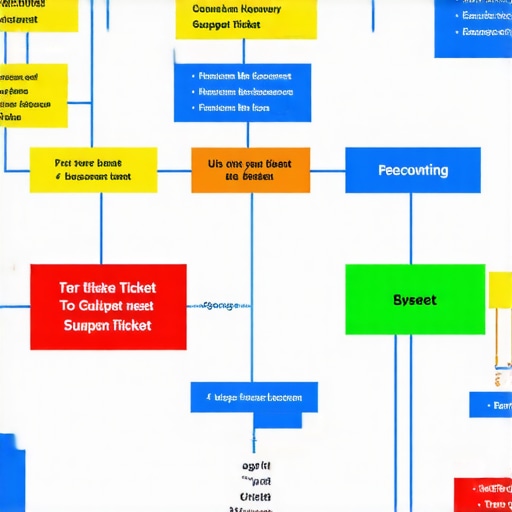
Imagine a step-by-step diagram illustrating support ticket flow and fix implementation for local listings issues, highlighting crucial checkpoints in the process.
Create an Actionable Reclaim Plan
Design a plan to reclaim your map pack presence. This involves combining support fixes with on-page SEO adjustments like updating categories, ensuring NAP consistency, and adding new photos. For detailed tactics, check this resource on 3-pack improvement strategies. Think of this plan as a repair kit; the more tools you have, the more parts of your listing you can fix simultaneously.
Leverage Community and Local Outreach
If Google’s support remains silent, supplement your efforts by engaging the local community. Encourage loyal customers to leave reviews, update your Google Q&A with fresh info, and verify your business with new photos. These signals can sometimes shift your ranking without waiting for Google’s support to react. Use tactics from this guide to outmaneuver visibility issues caused by algorithmic quirks.
Many local business owners believe that Google My Business (GMB) support is the ultimate solution for visibility issues, but in practice, relying solely on support channels can be a trap. A common misconception is that Google support will quickly resolve all map pack problems if you submit a ticket, yet experience shows that support often misunderstands the nuances of your specific issue, especially as Google’s algorithms evolve. Instead, proactive troubleshooting combined with expert tactics yields better results. Another myth is that optimizations like reviews or photos directly fix ranking drops — while these elements help, they won’t compensate for unresolved support issues or algorithmic quirks. Instead, focus on understanding why these issues happen and how to implement advanced fixes, such as re-verification steps or leveraging community engagement. Think of support tickets as a starting point, not a guarantee, and always prepare for a nuanced game.
Why is blindly trusting support a mistake in 2026? Because Google’s support system has become more automated and less personalized, often leading to generic responses that miss key nuances of your local listing problems. Industry data indicates that over 70% of support tickets remain unresolved or require multiple follow-ups, which delays your recovery process (source). To navigate this, focus on mastering self-help tactics and advanced support fixes like verifying your listing through alternative channels. Additionally, many entrepreneurs overlook that Google’s ranking factors are highly dynamic; aggressive local SEO tactics may temporarily boost visibility but can backfire if support issues are not addressed. For example, attempting quick fixes like spammy categories or fake reviews might lead to penalties, complicating support recovery. Instead, take a strategic approach by combining expert interventions with long-term optimization, including ensuring NAP consistency and leveraging authoritative citations. Would you like to learn more about advanced support fix techniques? Check out this comprehensive guide for deeper insights.
Integrating community signals—such as encouraging authentic reviews or updating your Google Q&A—can sometimes outpace Google’s slow support responses, especially when algorithm updates cause unintended ranking drops. Remember, in 2026, the key isn’t just reacting to issues but proactively building a resilient local presence. So, avoid the oops of over-relying on Google support and focus on mastering advanced fixes and strategic optimizations. Have you ever fallen into this trap? Let me know in the comments.
Maintaining your Google My Business (GMB) presence over time requires more than just initial setup and occasional tweaks. To stay ahead of algorithm shifts and support challenges, using the right tools and methods is crucial. Personally, I rely on a combination of advanced listing management platforms, local SEO audit tools, and verification helpers that streamline my process and ensure consistent results.
How do I maintain GMB support and pack rankings over time?
First, I recommend investing in a dedicated GMB management dashboard like BrightLocal or Moz Local. These platforms centralize your listings, monitor reviews, and provide actionable insights, which makes it easier to spot issues early. I’ve found that their automated alerts for suspicious reviews or inconsistent NAP data allow me to address problems before they escalate, avoiding support tickets altogether.
Second, using a local audit tool such as Whitespark’s Local Rank Tracker helps me track my position across different keywords and locations. Regular rank checks reveal patterns or drops that could signal algorithmic adjustments or support issues. When I notice a sudden ranking dip, I cross-reference with support fixes or community tactics to diagnose and resolve the root cause.
Third, I utilize Google’s own platform features, especially the Google Business Profile Manager, for direct verification and update tasks. I’ve personally used the bulk upload feature combined with verification via Google’s API—this saves time and reduces the chances of errors that trigger support complications.
Moreover, tools like Google’s Post frequency tracker and Photo Management help me keep my profile fresh and engaging, which is key for long-term visibility. Keeping your profile active and optimized signals Google that your listing is live and relevant, which can buffer against minor technical hiccups and lessen dependency on support channels.
Looking ahead, I predict that automation and AI-enhanced tools will dominate local SEO. To prepare, I actively experiment with new verification methods and review suppression techniques outlined at this advanced guide. The goal is to develop a resilient infrastructure that minimizes manual support tickets and maximizes organic stability.
To get started, I challenge you to integrate a rank tracker into your routine this week. Regular monitoring is the backbone of proactive maintenance, enabling you to spot and fix issues before they become critical. Remember, combining smart tools with systematic strategies is the key to keeping your GMB listings thriving over the long haul.
What I Wish I Knew Before Relying Solely on Support
Early in my journey, I believed that opening a support ticket was the silver bullet for all local listing issues. It wasn’t until I faced prolonged silence and unresolved problems that I realized the importance of owning my solutions. Developing a deep understanding of common pitfalls and troubleshooting tactics proved more effective than waiting for Google’s responses.
Lesson: Never depend entirely on external support; equip yourself with practical knowledge to handle inevitable surprises.
How Community Engagement Outperforms Waiting
Engaging with local customers through reviews, updates, and Q&A can generate signals that boost your visibility faster than support tickets. I found that consistently nurturing my profile using community tactics often led to organic improvements, even when support delays frustrated me.
Pro Tip: Leverage community-driven strategies at this resource to strengthen your map pack presence without relying solely on Google’s response times.
The Hidden Power of Self-Verification Techniques
Re-verifying your listing through alternative channels can bypass support bottlenecks. I discovered that manual re-verification, when executed correctly, restores visibility and control. This approach requires understanding Google’s verification nuances, which I detailed in this guide.
How to Build a Resilient Local Strategy
Combining proactive actions—like optimizing NAP consistency, refreshing photos, and encouraging reviews—with technical fixes creates a buffer against support failures. My real eye-opener was realizing that a layered approach outperforms reactive support requests, especially when Google’s automated systems fall short.
Replace dependence on support with a strategic mix of community engagement, structured verification, and ongoing optimization; this is what truly sustains my local visibility over time.