 By Sarah Williams
I vividly remember the moment I realized my competitors were actively sabotaging my local Google 3-Pack rankings. It was a sleepy Tuesday morning when I checked my business listing, only to find my virtual presence almost wiped out. My phone hadn’t rung all day—no leads, no inquiries. Frustration brewed as I scrolled through suspicious reviews and missing pins. It hit me—they weren’t just competing—they were using AI-optimized spam tactics to hijack the pack I worked so hard to earn. This lightbulb moment revealed a growing threat that many local businesses face, especially as AI-powered manipulation becomes more sophisticated.
Why Protecting Your 3-Pack Competes with Your Business Survival
In 2026, the rules of local SEO are more complex and challenging than ever. The Google Map Pack is the digital front door for countless clients searching for your services. Losing your spot there isn’t just an inconvenience—it’s a direct hit to your visibility and revenue. Sadly, many entrepreneurs underestimate the extent to which AI-driven spam can undermine their efforts. Early on, I made a critical mistake: I assumed manual tactics alone would suffice. I didn’t realize that competitors could deploy AI Spam to flood your listing with fake reviews or to displace your pins—often with little risk of detection. According to a recent report from Search Engine Journal, up to 70% of local business listings now face some form of spam attack, emphasizing how vital it is to stay ahead of these tactics and protect your online presence.
Knowing how persistent and adaptable these AI-driven machinations are, it’s essential to have a strategic game plan. Not only does this safeguard your map pack rankings, but it also restores confidence in your local marketing efforts. Today, I’ll share the proven techniques I used to reclaim my spot and how you can do the same. Ready to stop falling victim and start dominating your local SEO landscape? Let’s dive into practical steps that can work for your business, starting with understanding the core issues and setting up defenses against AI-spam tactics.
Build a Robust Local Profile
Start by claiming and verifying your Google My Business (GMB) listing if you haven’t already. Ensure all information is accurate—business name, address, phone number, and hours. Use consistent NAP data across all citations to create a unified online footprint. Regularly update your profile with relevant photos and posts to signal activity to Google. Remember, a complete profile acts as a foundation; neglecting it is like building on quicksand.
Harness the Power of Local Content
Create content tailored to your local audience. Share blog posts, videos, or events happening in your area. Incorporate geo-specific keywords naturally into your website and GMB description. Engaging local content increases relevance and signals to Google that your business is a community staple. When I added a blog about local events and tied it to my GMB profile, I noticed an uptick in local queries within days. For more advanced content strategies, explore this guide.
Optimize Google Maps Signals
Ensure your exact address pins correctly on Google Maps. Use detailed, accurate descriptions and select appropriate categories. Encourage satisfied customers to leave reviews—especially positive, detailed ones. Respond promptly to all reviews to boost engagement. I once faced a sudden drop in rankings after a competitor spammed fake reviews; after I flagged and managed reviews diligently, my position improved again. Quick action on review management can save your listing from penalty or sabotage. Learn more from this resource.
Leverage Citations to Strengthen Authority
Consistent NAP citations across reputable directories enhance your local authority. Focus on high-quality, niche-specific directories—think industry associations or local chambers. Auditing your citations periodically ensures accuracy and fixes any discrepancies. Discrepant data can confuse Google and hinder your rankings. I once cleaned up inconsistent citations, which led to a rapid climb in local pack position. To master citation strategies, check this comprehensive guide.
Address AI Spam Tactics Directly
AI-driven spam can flood your listing with fake reviews, manipulated pins, or AI-generated reviews. Counter this by using GMB’s reporting tools diligently—flag suspicious activity immediately. Implement secondary verification measures like video verification or phone interviews for new reviews when possible. Establish a routine audit of your reviews and listing details to catch anomalies early. When I encountered fake reviews, filing reports and engaging Google support expedited removal. Consistent vigilance is key; learn more about spotting and handling AI spam at this expert series.
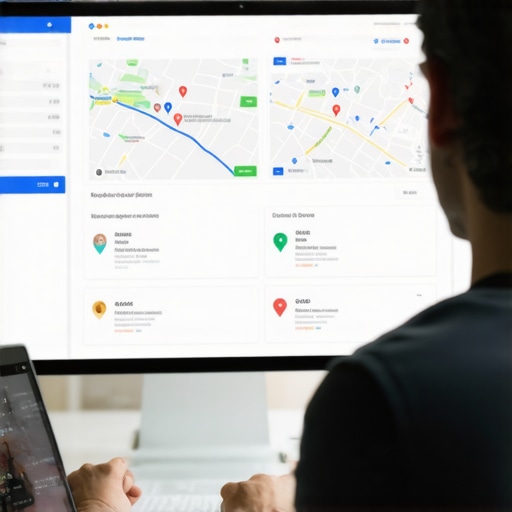 Many local business owners believe that simply optimizing their GMB profiles and accumulating reviews guarantees top rankings in the Google Map Pack. However, beneath this surface lies a complex web of nuanced factors that can trip up even seasoned marketers. One widespread misconception is that consistent activity alone drives rankings; in reality, strategic alignment with Google’s evolving algorithm signals is key. Experts emphasize that relying solely on basic profile tweaks ignores the sophisticated AI-driven spam tactics competitors deploy, such as fake reviews and pin hijacking, which can quickly sabotage your efforts if not proactively managed. Moreover, many assume that external citations are enough to bolster authority, but without proper NAP consistency and targeted local content, these citations may have limited impact.
Another common mistake is overlooking the importance of addressing AI spam threats directly. Flagging fake reviews promptly and engaging Google Support with clear evidence is crucial, but many underestimate the need for ongoing vigilance. The nuance here is that AI-enabled spam can adapt its tactics faster than manual detection methods, necessitating advanced measures like behavioral analysis and review verification routines. According to industry research, up to 70% of local listings face some form of spam, underscoring how critical it is to understand and counteract these hidden dangers.
What pitfalls do marketers often miss when trying to boost their local rank?
One overlooked aspect is the significance of local content. Creating geo-specific blogs, videos, or community event posts can greatly enhance relevance, yet many neglect this step, falling back on generic SEO tactics. Also, it’s a mistake to assume that one-off efforts will suffice; consistent, strategic updates communicated across multiple touchpoints build authority and trust with both Google and potential customers.
Furthermore, advanced tactics like leveraging secondary verification methods—such as video verification or direct engagement—are underutilized. These can prevent competitors from hijacking your presence or flooding your listing with AI-generated spam. Incorporating these layered defenses is part of a sophisticated approach that surpasses basic profile optimization. To develop a resilient local SEO strategy, consider reading about proven techniques in resources like this guide.
Understanding these nuances and avoiding common pitfalls can be the difference between vanishing from the pack and dominating your local market. Are you aware of how your competitors might be secretly undermining your GMB support efforts? Share your experiences in the comments—let’s learn from each other’s challenges.
Tools I Recommend for Long-Term GMB Success
Maintaining your Google My Business (GMB) support requires the right set of tools tailored for consistency and precision. I personally rely on BrightLocal for reputation management because it provides an all-in-one dashboard to monitor reviews, citations, and local rankings. Its automated review request feature ensures I gather authentic customer feedback and promptly address any suspicious activity. Additionally, Moz Local helps me keep citation data accurate and consistent across essential directories, preventing discrepancies that can hurt visibility. For detecting AI-driven spam, I use this expert-recommended method to flag suspicious reviews and map manipulations early. Regular audits using these tools solidify my long-term map pack positioning.
Why Consistent Monitoring and Updates Matter
Staying on top of your GMB support isn’t a one-time task; it’s a continuous process. Google’s algorithm is constantly evolving, and so are the tactics competitors use, especially AI-powered spam. Regularly reviewing your listing, responding to reviews, updating photos, and optimizing descriptions are critical actions. To automate some of this, I set weekly reminders to check my Google My Business insights and citation health. Implementing a routine helps me catch sabotage early and adapt my strategies accordingly. Remember, according to industry experts, persistent vigilance is key to preserving your local rankings over time—don’t let a lapse in support cause your hard-earned map pack position to slide away. For more detailed guidance on maintaining your support efforts, explore this comprehensive guide.
Scaling Up Your Support System for Greater Reach
As your business grows, so should your GMB strategy and support tools. Consider leveraging AI-powered automation via platforms like Zapier to sync review monitoring, citation updates, and engagement tasks across multiple apps. This minimizes manual workload and ensures no activity slips through the cracks. Also, investing in local community engagement tools, such as event management plugins, helps keep your profile fresh and relevant. I’ve found that integrating these systems allows me to respond swiftly to new AI spam tactics, maintaining a healthy and authoritative presence. Looking ahead, I predict that AI integration will become more sophisticated, making automation indispensable for local SEO success. Try setting up a simple Zap that alerts you instantly about review anomalies—quick action can prevent damage and reinforce your reputation. This proactive approach is essential to stay ahead of emerging threats, ensuring your support efforts remain effective long-term.
Lessons from the Trenches: What I Learned About gmb local support and pack ranking
One of the most eye-opening lessons was realizing that your competition isn’t just optimization-focused—they’re actively using AI-driven spam tactics to sabotage your hard-earned rankings. The moment I discovered fake reviews flooding my listing, I understood that proactive, intelligent defense mechanisms are non-negotiable. It’s not enough to follow basic SEO; you need to anticipate and counteract aggressive AI tactics that adapt faster than manual methods.
Another insight was the importance of persistent monitoring. Regular checks, quick flagging of suspicious activity, and ongoing citation audits can make or break your steady climb in the map pack. Relying solely on initial setup won’t save your rankings in the long run; you need to stay vigilant and responsive to the changes Google’s algorithm and your competitors throw your way.
Lastly, I learned that comprehensive support tools and community engagement—not just reviews—are crucial. Combining citation accuracy, local content, and real-time spam defense creates a resilient presence that can withstand even the craftiest sabotage efforts. Trust me, investing in these layers of support will safeguard your visibility and ultimately boost your local lead generation efforts.