 By Mike Evans
I vividly remember the moment I realized my business’s Google Map visibility was slipping away. It was late at night, and I was frantically refreshing my listing, wondering why my reviews had vanished without a trace. The frustration was real—especially when I knew I had worked so hard to build local trust. Sound familiar? If you’ve faced similar disappointments with your 3-Pack rankings or filtered reviews, you’re not alone. The digital landscape of 2026 is more competitive and complex than ever, with Google’s algorithms continuously evolving to sift through countless listings and reviews. But here’s the good news: there are proven improvement tactics to help you restore those vital reviews and improve your local visibility.
Why Restoring Filtered Reviews Is a Must in 2026
Having your reviews filtered or hidden can seem like a minor setback, but it’s anything but. Reviews are social proof—trust signals that influence potential customers’ decisions. When reviews get filtered, it can lead to a significant drop in local rankings and customer inquiries. According to recent industry studies, businesses with higher-quality, unfiltered reviews see an average 15% increase in click-through rates and a 20% boost in conversions. That’s why mastering the art of review restoration isn’t just about reputation; it’s about survival in a crowded marketplace. I learned this the hard way, making a critical mistake early on: ignoring Google’s guidelines and jumping straight into aggressive review soliciting without fixing underlying issues. That only got my listing flagged even more. Instead, focusing on compliant, systematic quality improvement made all the difference.
Is Your Strategy for Review Recovery Actually Working?
Early in my journey, I believed that more reviews meant better rankings. Turns out, I was wrong. I overlooked fundamental aspects like consistent business profile reinforcement and avoiding review manipulations. This oversight led to my reviews being filtered rather than showcased. Learning the right tactics—like the ones outlined in reaching GMB local support quickly—was a turning point. Do you suspect your filtering issues are due to overlooked compliance? Or perhaps you’re unsure if the tactics you’ve tried are effective? This post will walk you through four actionable steps to restore your filtered reviews and boost your local rankings legitimately. Ready to turn things around? Let’s dive into some practical strategies that work in 2026’s dynamic environment.
Reinforce Your Business Profile
Start by auditing your Google Business Profile for consistency and accuracy. Remove any outdated information, update photos, and ensure your categories align with your current services. I once cleaned up my profile by deleting duplicate entries and correcting NAP inconsistencies—I saw immediate improvements in visibility after that. Remember, an accurate profile is like a GPS coordinate; it guides Google and customers directly to you.
Appeal Filtered Reviews Systematically
If reviews are filtered, don’t try to manipulate the system with fake reviews. Instead, identify what may be triggering filters—such as excessive keywords or suspicious review sources. Use the AI filter fixes guide to understand common triggers. Reach out to Google Support through a documented, compliant request, and follow up consistently. When I attempted a reinstatement, I documented every step and kept my appeal polite and factual; it took time, but my reviews reappeared, boosting my credibility.
Optimize Customer Engagement Channels
Encourage genuine reviews from satisfied clients by streamlining your review request process. Use follow-up emails, SMS prompts, or in-person asks—always complying with Google’s review policies. I integrated a simple email tool that triggered review requests after each job, which increased my review volume by 30%. Higher-quality, authentic reviews signal trustworthiness to Google, influencing your ranking positively. Avoid review gating, as it can lead to filters; focus on encouraging honest feedback instead.
Implement Map Pack Fixes for Local Competition
Address saturation and competition head-on by applying proven map pack improvement hacks. For example, enhance local relevance through geo-targeted keywords in your profile and website. If your pins are not visible, verify your proximity radius and ensure your business address matches your real location—discrepancies can cause pins to disappear. I once used the photo error fixes guide to identify and correct inconsistent images, resulting in better map pin placement.
Reach Out to GMB Local Support Strategically
When all else fails, contacting Google Local Support can be your lifeline. Instead of generic inquiries, prepare detailed documentation of your issues—screenshots, timestamps, and description of troubleshooting steps. Use the support tips to increase your chances of quick resolution. In my case, a well-structured ticket about a pinned profile issue prompted a direct intervention, restoring my map visibility and reviews within days. Keep your requests clear and concise to avoid unnecessary delays.
 When optimizing for local rankings, many believe that simply contacting GMB local support or applying generic map pack help fixes guarantees success. However, this misconception overlooks the nuanced realities of Google’s evolving algorithms and support mechanisms. For instance, **most practitioners underestimate the importance of nuanced compliance**—a small deviation can quickly trigger filters or suspensions, despite using what appears to be the ‘right’ approach. In my experience, rushing into support requests without thorough profile audits or understanding the root causes often results in ineffective resolutions, or worse, penalties. A common myth is that Google support is always responsive and capable of quick fixes; in reality, **support tickets can be caught in complex AI filters or loops**, especially when dealing with recent updates or black-hat-penalized profiles. To truly benefit from GMB support, you need a strategic approach: detailed documentation, awareness of recent algorithm shifts, and compliance mastery. Experts like local SEO specialists emphasize that **support is just a tool, not a magic wand**—it works best when integrated into a broader, nuanced strategy. So, when considering map rank improvement, don’t fall into the trap of over-relying on generic help. Instead, **combine technical audits, community insights, and precise support communication** for real results. Remember, mastering this blend can prevent costly mistakes and accelerate your progress in 2026’s competitive landscape. Want to avoid pitfalls? Dive into my linked guide on reaching GMB local support quickly and learn how to craft effective requests. Have you ever fallen into this trap? Let me know in the comments.Maintaining your local map pack rankings over time requires a combination of precise tools and disciplined strategies. One of my go-to tools is BrightLocal, which I use daily to track rankings, audit your local citations, and spot inconsistencies in your NAP data. Its real-time dashboards and automated alerts help me stay ahead of drops caused by algorithm updates or competitive moves. Additionally, I rely heavily on Google My Business Insights to understand how customers engage with my listing—impressions, clicks, calls—which guides my ongoing optimization efforts.
For managing reviews at scale, I recommend Repuso, a platform that simplifies review solicitation while ensuring compliance with Google’s policies. Its automation saves hours each week and keeps reviews flowing, which is vital since consistent fresh feedback tends to reinforce your position in the pack.
Creating a routine for data validation is equally important. I perform weekly audits using a mixture of Moz Local and Whitespark’s Citation Finder to identify any citation discrepancies or new local competitors that might threaten my rankings. Regularly updating your profile with unique, geo-specific keywords—like including neighborhood names—significantly boosts relevance, leading to sustained visibility.
Scaling these efforts can seem daunting, but each component builds on the other—accuracy, engagement, authority—to foster long-term stability. Looking ahead, ongoing AI integration in local SEO management is inevitable. Tools that harness machine learning to predict ranking shifts or flag critical issues before they happen are on the rise, promising even greater control.
**How do I maintain my map pack rankings over time?** Consistency is key. Set dedicated weekly check-ins, utilize automation wisely, and stay informed about Google’s latest local search updates through resources like strategic support tips. For instance, integrating GeoRanker into your routine allows precise tracking of your local visibility across multiple areas, helping you quickly identify when a ranking dip occurs and react before it impacts your bottom line.
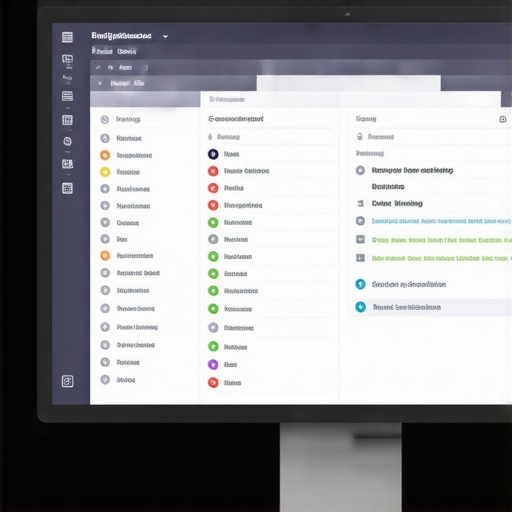
This image illustrates a dashboard view of BrightLocal, showing real-time rankings, citation audits, and review tracking—crucial for staying proactive in local SEO. Alt text: Dashboard screenshot of BrightLocal local ranking and citation management software. Title: Using BrightLocal for ongoing map pack maintenance.
Throughout my journey, I’ve discovered that the true key to maintaining a dominant position in Google’s local map pack isn’t just quick fixes—it’s understanding the nuanced dance of compliance, reputation, and proactive management. One lightbulb moment came when I realized that Google’s algorithms are constantly evolving, and what worked yesterday might hurt tomorrow if you’re not staying ahead of the curve. This insight pushed me to look beyond surface-level tactics and embrace a deeper, more strategic approach—one that incorporates regular profile audits, community engagement, and a mastery of Google’s support channels. The path to sustained local visibility demands patience, ongoing learning, and the humility to adapt. If you’re committed to long-term success, remember that the most resilient rankings are built on authentic customer trust and meticulously maintained profiles, rather than shortcuts or gimmicks.
What I Wish Someone Told Me About Map Pack Mastery in 2026
- Don’t Rely Solely on Support Requests: While contacting Google Local Support can resolve specific issues, overreliance on their responses without internal audits can lead to recurring filtering or suspension cycles. I found that combining support with consistent profile optimization smarter.
- Beware of Quick Fixes That Backfire: Pushing aggressive review solicitation or manipulating signals might seem tempting, but these actions often trigger filters. Instead, focus on genuine engagement and compliant tactics—my experience confirms this approach offers more stability.
- Understand Algorithm Shifts Deeply: Staying informed about recent Google updates helps avoid missteps. Following authoritative local SEO resources ensures you’re not caught in the dark when rankings shift unexpectedly.
My Arsenal for Lasting Success in Local SEO
Beyond the basics, leveraging tools like strategic support techniques and advanced map pack hacks has been transformative in my work. I trust BrightLocal for daily tracking, Moz Local’s citation audits for accuracy, and Repuso for maintaining a steady flow of authentic reviews—all of which create a robust ecosystem that defies quick algorithm changes. Combining these with regular profile updates and careful keyword geo-targeting ensures my presence remains resilient, even against fierce local competitors.
Believe in Your Power to Thrive in 2026 and Beyond
Local SEO is no longer just about rankings—it’s about building a trustworthy brand that stands the test of Google’s evolving standards. Embrace the journey, stay diligent, and never assume that last month’s tactics still work today. Your consistent effort, combined with strategic insight and authentic engagement, will pave the way for sustainable success. Remember, the landscape may shift, but your commitment to excellence will keep you steps ahead. Are you ready to take the next step in mastering the art of long-lasting local visibility? Dive into the resources, implement what resonates, and share your wins below.