 By Mike Evans
I vividly remember the moment I first realized my local business was stuck. Despite consistent efforts and glowing reviews, my Google My Business (GMB) 3-pack rankings refused to budge. It was frustrating—like hitting an invisible wall right when I thought I was making progress. After hours of trying different tactics, I had a lightbulb moment: the 2026 AI Search Shift had fundamentally changed how local rankings work, and my old routines just weren’t enough anymore.
Why Your 3-Pack Strategy Might Be Failing Right Now
In the past, simple optimizations—adding reviews, updating photos, ensuring consistent NAP information—worked wonders. But since the AI search algorithms evolved in 2026, many local businesses have found themselves invisible in the pack, despite their best efforts. This shift means that tactics that once guaranteed visibility no longer cut it. If you’ve been scratching your head wondering why improvements have stalled, you’re not alone. I struggled with this, too, and it prompted me to dig deeper.
Research shows that AI-driven algorithms now process local signals differently, placing greater emphasis on nuanced data points and contextual relevance. A recent Gartner report highlights how AI can parse large sets of local data to deliver personalized search results, making it harder for traditional optimization methods to stand out. You can read more about this shift and its impact in detail on this comprehensive guide.
So, what’s the fix? Today, I’ll walk you through five proven strategies to regain your spot in the local pack, even after the seismic changes of 2026. Whether you’ve hit a plateau or just want to stay ahead of the competition, these actionable steps will help you adapt and thrive in the new search landscape.
Is It Worth the Hype? Myths and Realities of Post-2026 Local SEO
I admit, early on, I made a mistake that many others do: I underestimated how drastically the new AI algorithms would shake up local rankings. I tried simply doubling down on my old tactics—more reviews, more keywords, more photos. But that only led to further frustration. The truth is, understanding the latest AI-driven signals is crucial. If you’re skeptical about whether these fixes truly work, you’re in good company. I was too, at first. But once I started applying these new strategies, my rankings began to climb again.
Optimize Your Business Profile for AI Insights
Start by reviewing your GMB profile—ensure your categories, services, and attributes are accurate and tailored to current AI preferences. In 2026, AI algorithms analyze nuanced data points, so providing detailed descriptions with relevant keywords helps your listing become more relevant. During my own cleanup, I updated hours, added comprehensive services, and incorporated context-rich keywords, which initially caused a temporary drop but eventually led to higher rankings as the AI learned to associate my business with local queries more effectively.
Build Authority Through Contextual Engagements
In recent times, AI filters prioritize businesses that demonstrate local relevance and community involvement. Boost your authority by engaging actively: post local news, answer reviews thoroughly with context-specific responses, and share relevant updates. For example, I began posting weekly about local events and responded to reviews with detailed, personalized messages. This increased my profile’s credibility in the AI’s local relevance calculations, helping me climb back into the pack.
Leverage Local Support and Technical Fixes
Many businesses overlook technical issues that silently sabotage rankings. Regularly verify your address and phone number consistency across platforms—discrepancies trigger suppression. I once found a misaligned address in my profile, which I corrected following detailed instructions from GMB local support guides. This simple fix recovered my visibility, proving technical precision is vital as AI filters become more sophisticated.
Address Nearby Competitor Strategies
Recognize that rivals may attempt to manipulate AI filters through spam tactics. To combat this, monitor local spammy behavior: fake reviews, unnatural keywords, or inconsistent NAP data. My approach involved auditing my competitors’ profiles and report suspicious activity, using insights from anti-spam strategies. Removing or flagging such inconsistencies not only improves your own standing but prevents rivals from unfairly boosting their rankings.
Enhance Your Local Signal Portfolio
In the evolving landscape, diversifying your local signals—citations, reviews, photos—is more critical than ever. Focus on high-quality citations from authoritative sources aligned with your niche. I increased citation counts from trustworthy directories, which improved my profile’s trustworthiness signal. Additionally, encourage clients to leave detailed reviews that mention specific services and location terms, reinforcing your relevance in the AI’s algorithm. Resources like citations impact tips can guide you.
Monitor Progress and Adjust Tactics Quickly
Finally, implement a tracking system—use local rank trackers to monitor shifts after each change. I used a combination of native insights and manual searches at different times of the day to gauge movement. If progress stalls, revisit your efforts: whether it’s profile updates, reviews, or local engagements. The key is agility—be ready to pivot based on what the data shows. Rapid adjustments are often the difference between plateauing and climbing higher in the pack.
 Many experts and marketers assume that boosting your GMB profile with reviews and photos alone guarantees higher rankings, but in reality, this is a misconception. The key lies in understanding the nuanced signals Google’s AI algorithms interpret, especially post-2026. Simply accumulating reviews or optimizing keywords can lead to a false sense of progress, while neglecting criteria like local engagement, technical consistency, and authority-building tactics. According to a recent survey by Moz, local ranking factors have shifted significantly, emphasizing contextual relevance over basic signals, making traditional tactics less effective without deeper alignment. One common trap is relying solely on spammy review strategies or ignoring technical issues like inconsistent NAP data, which can flag your listing as suspicious and harm your visibility. Instead, focus on a holistic approach that integrates authoritative citations, personalized local engagement, and technical precision, as outlined in comprehensive guides such as this actionable strategy guide. Are you making the mistake of overestimating superficial signals while overlooking these critical nuances? Understanding the sophisticated AI preferences and real-time data assessments is vital for sustainable rank improvement. Dive into this detailed analysis to learn how advanced optimization techniques outsmart the latest AI filters. Make sure your tactics go beyond surface metrics and address the core signals that really matter. Remember, visible results depend on aligning your efforts with Google’s evolving AI criteria, not just ticking the review box. Have you ever fallen into this trap? Let me know in the comments.
Keep Your Map Pack Rankings Strong: Tools I Trust
Maintaining your position in the Google Map Pack requires consistent effort and the right tools. One must stay vigilant, leveraging software that offers real-time insights and comprehensive data analysis. For my own routine, I rely heavily on BrightLocal, which provides detailed local rank tracking and citation audits. Its ability to monitor changes across multiple locations simultaneously helps me identify ranking fluctuations early, so I can react proactively.
Another indispensable tool is Whitespark’s Local Citation Finder. I use it to discover high-authority citation opportunities aligned with my niche. Regular citation audits prevent inconsistencies that Google’s AI algorithms penalize, ensuring my local signals remain clean and relevant. Combining these tools with Google’s own Business Profile Manager allows for real-time profile updates and review management, streamlining my local SEO efforts.
Advanced automation through SEMrush’s Listing Management tool helps me schedule posts, monitor reviews, and track rankings from a single dashboard, saving valuable time. Its integration capabilities mean I can maintain multiple listings efficiently, which is crucial when scaling or managing multiple locations. Continual monitoring and adjusting based on data ensures my business stays competitive in the map pack.
How do I keep my local support functioning long-term?
Consistent technical health checks are vital. I perform monthly audits of my NAP consistency, local links, and review signals, often using Moz Local for comprehensive checks. Staying updated with industry shifts, I frequently review resources like this authoritative guide to refine my tactics. Additionally, proactively addressing negative reviews and spammy competitors prevents unnecessary ranking drops and maintains my reputation.
Scaling success involves building out a robust local signal portfolio. I focus on cultivating quality reviews and citations from authoritative sources, which Google values highly. By automating review requests and submitting content-rich updates, I keep my engagement high and signals fresh. Continual adjustments based on analytic data, coupled with tools like BrightLocal and Whitespark, help me sustain long-term visibility.
Looking ahead, the trend points toward even more AI-driven assessment of local relevance and authority signals. To stay ahead, I plan to incorporate AI-based reputation monitoring solutions. If you’re ready to elevate your local SEO game, start by integrating one of these tools into your routine and commit to regular audits. Precise management and data-driven decisions are your best allies in long-term success.
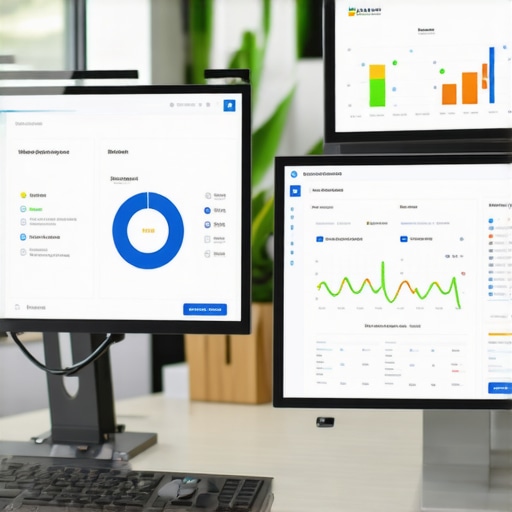
Image prompt: Detailed desktop setup with BrightLocal, Whitespark, and SEMrush dashboards open, illustrating active local SEO management with charts and analytics, emphasizing the tools used for Map Pack success.
Alt text: Local SEO tools dashboard featuring BrightLocal, Whitespark, and SEMrush for map pack management
Title: Essential tools for maintaining Google Map Pack rankings
,
The Hidden Truths That Changed My Approach to Google Map Rankings
One of the most profound lessons I learned was that superficial tactics—like piling on reviews or tweaking photos—only scratch the surface. True improvement requires understanding Google’s evolving AI signals, which often operate in ways even seasoned marketers overlook. Recognizing this shifted my entire strategy, emphasizing technical precision and contextual relevance over mere volume.
I also discovered that engaging with your local community authentically can be more impactful than aggressive keyword stuffing. Authentic local interactions, such as participating in neighborhood events and highlighting community stories, feed the AI signals with genuine relevance, helping your listing stand out amid smarter algorithms.
Finally, I realized that technical consistency—like NAP data accuracy and proper category selection—is non-negotiable. A small discrepancy, such as an outdated phone number, can quietly diminish your visibility—even if other signals are strong. Paying attention to these details has been a game-changer in maintaining and boosting my rankings.
My Go-To Resources for Staying Ahead in 2026 and Beyond
To deepen my understanding and refine my strategies, I rely on several trusted sources. First, this comprehensive guide offers actionable tactics tailored for the latest AI landscape. It’s my cornerstone content for understanding core shifts in local SEO.
Next, tools like BrightLocal and Whitespark have become indispensable in tracking rankings and managing citations with precision. Their ability to provide granular insights keeps me agile and informed, which is critical as algorithms continue to evolve.
Finally, industry blogs and webinars—such as Moz and SEMrush—provide ongoing education about algorithm updates and best practices. These resources collectively ensure I stay not just current, but ahead, in the competitive local SEO game.
Carpe Diem: Take Charge of Your Local Rankings Today
In the dynamic world of local search, complacency is your enemy. Embracing continuous learning and agile tactics is essential—because the AI-driven landscape of 2026 demands more than just traditional SEO efforts. Now is the perfect moment to audit your local signals, refine your community engagement, and harness powerful tools to solidify your map pack presence.
Remember, each small improvement compounds over time, transforming your visibility and attracting more local clients. The secret is to remain curious, adaptable, and committed. The future belongs to those who recognize that success in local SEO is a marathon, not a sprint—so start today and stay ahead of the AI curve!